This is one piece of my full Siem Reap Travel Guide — a local’s take on the town I call home.
Living in Siem Reap: From Island Burnout to Finding My Rhythm in Cambodia’s Temple Town
I rolled into Siem Reap just before Christmas, fresh off two months of island living that nearly broke me. Koh Rong Sanloem had been beautiful—don’t get me wrong—but beautiful doesn’t always mean sustainable. After volunteering at a hostel handling their marketing and branding, I realized something fundamental about myself: I need city action. The island was perfect for a vacation, maybe even a month-long reset, but as a lifestyle choice? Not my fit.
So I stayed in Cambodia and pointed myself toward Siem Reap. Best decision I’ve made in a while.

First Impressions: The Peaceful Surprise
My initial reaction when I arrived? Wow. Peaceful.
That wasn’t what I expected from a city famous for being the gateway to Angkor Wat. I figured there’d be tourist chaos, tuk-tuk drivers competing for attention, that frantic energy you find in places that live off temple tourism. Instead, I found something completely different.
I rented a hotel room and decided to make a real go at living in Siem Reap, not just passing through like most travelers do. Wake up that first morning, and one thing struck me immediately: the river running right through the center of town. This isn’t some drainage canal hidden behind buildings. It’s a genuine feature of daily life here.
You can wake up in the morning and go for a walk along the riverbank. At night, you can stroll the same path under completely different circumstances. The city recently updated the whole stretch with lights strung along its length, and I’ll admit it creates something close to magical. That’s not a word I throw around often, but walking that river at night earns it.

The Transformation Nobody Warned Me About
Here’s something I pieced together from conversations with long-term residents: Siem Reap five or six years ago was a completely different beast. Most roads were dirt. Walking around meant navigating obstacles, jumping over open holes, dodging construction debris. It sounds almost unbelievable looking at the place now.
Because lately? They’ve paved everything. Put in proper sidewalks. Built up the Riverwalk into something actually enjoyable. The transformation explains a lot about why living in Siem Reap feels so different from other Southeast Asian cities I’ve experienced.
Walkability matters more than people realize when you’re trying to settle somewhere long-term. On the island, I was confined. Limited options, limited movement, limited stimulation. Here, I can head out my door and just go. No destination required. No tuk-tuk necessary for basic exploration. Just my feet and whatever street catches my attention.

Getting the Lay of the Land
About a month into my time here, I’ve gotten a solid handle on the city’s layout. Spent considerable time and caffeine budget checking out the coffee shop scene, and Siem Reap delivers on that front. Not the same hipster coffee culture you find in Danang or Saigon, but something more relaxed. More genuine, maybe.
The local restaurant scene works the same way. Wandering down random streets, I keep stumbling onto places I never would have found intentionally. A little Khmer spot tucked behind a guesthouse. A family-run noodle place that doesn’t need a sign because everyone already knows it exists. That discovery process keeps things interesting in ways that island life simply couldn’t match.

The city layout encourages this kind of exploration. Streets connect in ways that make sense but still leave room for surprise. You’re never really lost in Siem Reap—the center is compact enough that orientation comes naturally—but you can absolutely find yourself somewhere unexpected. That balance hits different when you’re trying to build a life somewhere rather than just check attractions off a list.
Making It Official: The Apartment Move
On January 9th, I made things more permanent. Rented an apartment.
Hotel living works fine for testing a city, but there’s a psychological shift that happens when you sign a lease somewhere. Suddenly you’re not a tourist with an extended timeline. You’re a resident. Your mindset changes. Your relationship with the place deepens.
Secured a gym membership around the same time. Started building routines. Morning coffee at a spot I’ve claimed as my regular. Evening walks along that river. Grocery shopping at actual markets instead of convenience stores. The small stuff that turns a location into a home.
Living in Siem Reap in this more settled way feels good. Different from the hostel volunteer life on Koh Rong Sanloem, different from the digital nomad shuffle I’ve done in other cities. More grounded. More intentional.

The Vibe: Mellow Without Being Boring
If I had to describe Siem Reap’s personality in one word, it would be mellow. The city has a relaxed energy that doesn’t tip over into sleepy or boring. There’s activity here. Things happen. People do stuff. But nobody seems particularly stressed about any of it.
Now, full disclosure: I haven’t done the late-night Pub Street experience yet. That’s supposedly where things get more chaotic, where the party tourists congregate, where Siem Reap shows its louder face. But I’ve spent plenty of evenings out and about at local bars, walking around after dark, and even Pub Street doesn’t hit the same way as similar drinking districts in other Southeast Asian cities.

No aggressive promoters grabbing your arm. No ear-splitting music competing between venues. No that desperate energy that makes some party streets feel like everyone’s performing rather than actually having fun. Pub Street exists, serves its purpose for those who want it, but doesn’t define the city’s character the way similar streets define other places.
For someone looking to settle rather than party, that’s exactly right.
The Elephant in the Room: Angkor Wat
Here’s the thing I know everyone’s wondering about: I haven’t been to Angkor Wat yet.
I know. A month living in Siem Reap and I haven’t visited the main attraction. The whole reason this city exists as a tourist destination. The UNESCO World Heritage site that draws millions of visitors annually. Haven’t done it.
But here’s my logic: I’m not going anywhere. The temples aren’t going anywhere. And experiencing Angkor Wat as a resident rather than a tourist feels like it deserves the right moment. Maybe I’ll wait for a friend to visit so we can share it. Maybe I’ll pick a random Tuesday when the crowds thin out. Maybe I’ll just wake up one morning and decide today’s the day.
The pressure to rush through bucket-list experiences disappears when you’re actually living somewhere. That alone justifies the apartment over another week in a guesthouse.

Building Community: The Siem Reap Social Club
One thing I’ve learned across years of travel and extended stays in different cities: community doesn’t happen automatically. You have to build it. Put in effort. Create structures that bring people together.
So I started the Siem Reap Social Club.
The concept is simple: regular meetup sessions for people who want to connect beyond the backpacker hostel circuit. Expats, long-term travelers, digital nomads, locals interested in meeting international folks. Weekly gatherings where showing up is the only requirement.
Growing a community takes time. The first few events always feel uncertain—will anyone come? Will people mesh? Will this actually become something? But the seeds are planted. Living in Siem Reap long-term means investing in these kinds of projects even when the payoff isn’t immediate.
What I Was Missing
Looking back at my island time with some distance now, I can articulate what wasn’t working. Koh Rong Sanloem had beauty in abundance. Stunning beaches. Clear water. That Robinson Crusoe fantasy that draws people to remote islands. But beauty alone doesn’t sustain a life.
The hostel work was fulfilling in its own way. Helping a small operation improve their marketing and branding felt meaningful. The other volunteers and long-term staff became something like family over those two months. But the isolation started wearing on me in ways I didn’t anticipate. Same beach every day. Same handful of restaurants. Same conversations cycling through with new arrivals asking the same questions.
I needed stimulation. Options. The ability to switch up my routine without it becoming a major production. The chance encounter with someone interesting at a coffee shop. The spontaneous decision to try a restaurant I walked past. The small frictions and surprises that keep life interesting.
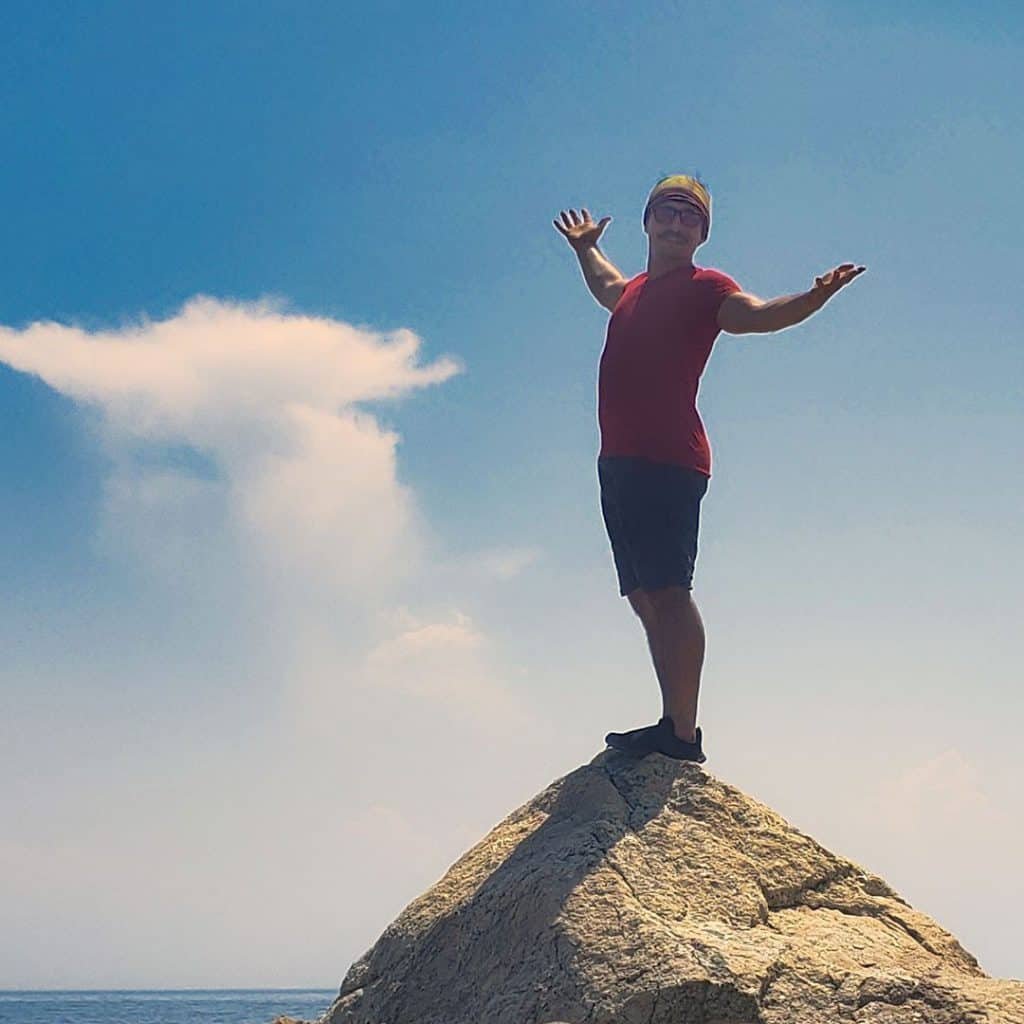
Island life strips away those possibilities. Every social interaction happens within a tiny ecosystem. Every meal comes from the same limited options. Every day feels remarkably similar to the one before, regardless of how beautiful the backdrop looks in photos. (*As it does… case in point the photo below)

Siem Reap delivers all of that while maintaining the cost of living and pace of life that makes Cambodia attractive in the first place. It’s not trying to be Bangkok or Saigon or Kuala Lumpur. It has its own identity. Quieter than those cities but still genuinely urban in a way that matters for daily satisfaction.
The Practical Reality
For anyone considering living in Siem Reap themselves, here’s what the practical picture looks like after a month:
Accommodation runs reasonable for the quality you get. My apartment costs significantly less than comparable spaces in Vietnam’s major cities while being more spacious and in a better location. Options range from basic studios around $200-300 per month to nicer places with pools and proper amenities in the $400-600 range. The gym membership was straightforward to set up and priced fairly—nothing fancy, but everything you need to maintain a routine.
Food costs stay low whether you’re cooking or eating out. Local Khmer meals run a couple dollars at most. Western food costs more but still stays reasonable compared to tourist-heavy areas in Thailand or Vietnam. The coffee shop scene, while not as extensive as some Southeast Asian cities, offers enough variety to avoid caffeine rut. I’ve found maybe five or six spots I rotate through depending on mood and what part of town I’m exploring. Street food and local restaurants make budgeting easy without sacrificing quality or variety.
Getting around works fine without personal transportation. The city’s walkability handles most daily needs, and tuk-tuks cover anything beyond walking distance without costing much. A typical ride within the center runs a dollar or two. Some people rent motorbikes, but it’s genuinely optional rather than necessary. I’ve chosen to stay on foot, and that decision hasn’t created any real limitations.
Internet reliability has been solid for remote work purposes. Not the fastest speeds I’ve experienced in Southeast Asia, but consistent enough for video calls and everything else professional life requires. Coworking options exist for remote workers, though the scene is smaller than in established digital nomad hubs like Danang or Chiang Mai. If your work requires specific infrastructure or a built-in professional community, do your research before committing. If you just need reliable wifi and somewhere to set up a laptop, you’ll find it without much trouble.
The healthcare situation deserves mention too. Siem Reap has decent medical facilities for basic needs, and anything serious sends you to Phnom Penh or Bangkok. That’s standard for smaller Southeast Asian cities, and it’s something to factor into your planning if health considerations matter to your location decisions.

What Comes Next
Now that I’m feeling stable and structured here, the plan is to actually produce content about this place. Not just existence updates but genuine exploration of what Siem Reap offers, the adventures hidden in and around this city, the things most visitors miss because they’re too focused on temple sunrise photos.
The city deserves better coverage than it typically gets. Most Siem Reap content treats it as a base camp for Angkor Wat rather than a destination worth experiencing on its own terms. That does the place a disservice.
So stay tuned. More articles coming as I move from the settling-in phase to actually thriving here. If there’s something specific about living in Siem Reap you want to know—particular questions, specific topics, aspects of daily life that travel blogs never seem to cover—drop a comment or send a message. The best content comes from real questions.
The Bottom Line about Living in Siem Reap
Making the call to leave island life behind and try Siem Reap was exactly right. A month in, the decision continues to validate itself daily. The walkable streets, the mellow vibe, the river running through everything, the space to breathe without feeling isolated—it’s a combination I haven’t found easily elsewhere.
Not every city fits every person. What works for me might not work for you. But if you’re considering Cambodia as a base and the major cities feel too chaotic while the islands feel too limiting, Siem Reap might be your Goldilocks option.
I’m making it mine.
Have you spent time in Siem Reap beyond the temples? What was your experience? Drop your thoughts in the comments—I’m curious whether others found the same mellow magic or if I just caught the city at the right time.